
How to Get Into the Music Industry in 2026
Mar 06, 2026
Breaking into the music world can feel challenging, but there are more opportunities today than ever before. The industry isn’t just about performing on stage. There are many careers in music, including creative roles, technical work, and music business jobs behind the scenes.
In this guide, we’ll walk you through the key steps to start exploring careers in music and finding the right jobs in the music industry for you.
- Different Career Paths in the Music Industry
- Choose Your Path
- Develop Your Skills
- Build a Portfolio & Create an Online Presence
- Build Connections in the Music Industry
- FAQs
- Conclusion
Different Career Paths in the Music Industry
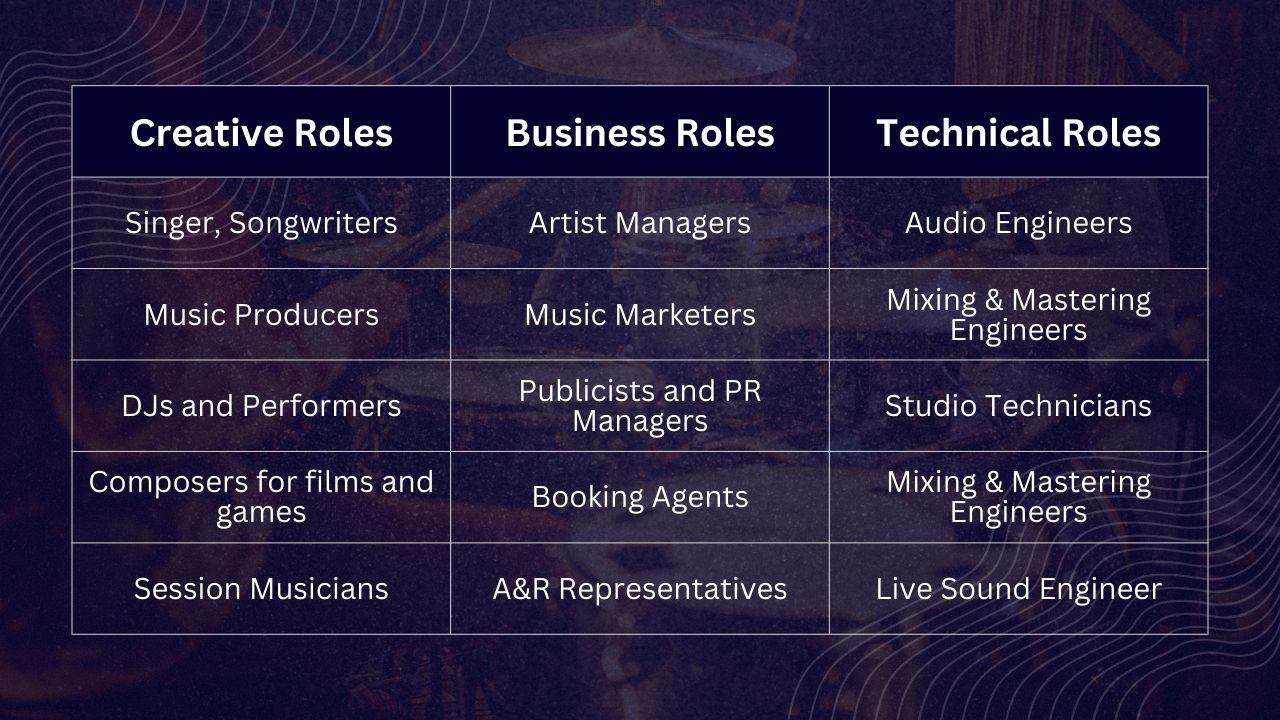
The music industry is much bigger than most people realize. There are many different jobs in the music industry, and they generally fall into three main categories.
Creative Roles
These roles mainly focus on creating music and performing. This side of the world includes singer-songwriters, music producers, composers, session musicians, etc. These types of careers in music usually require strong artistic skills and consistent practice.
Business & Marketing Roles
There’s more to the music industry than just the creative roles. Behind every successful artist is a team handling promotion, strategy, and the business. The common music business jobs include artist managers, music marketers, publicists, etc. These music industry jobs focus on helping artists grow their careers and reach new audiences.
Technical & Production Roles
These roles involve the technical side of creating and delivering music and include people like audio engineers, mixing and mastering engineers, studio technicians, live sound engineers, etc.
Many of these jobs in the music industry can also turn into remote music industry jobs, especially mixing, mastering, and production work.
Here’s a quick overview of different career paths in the music industry:
Choose Your Path
Before pursuing music industry jobs, it’s important to decide which direction fits you best. Ask yourself a few key questions:
- Do you want to create music or work behind the scenes?
- Are you more creative, technical, or business-minded?
- Do you want freelance work or stable music business jobs?
For example:
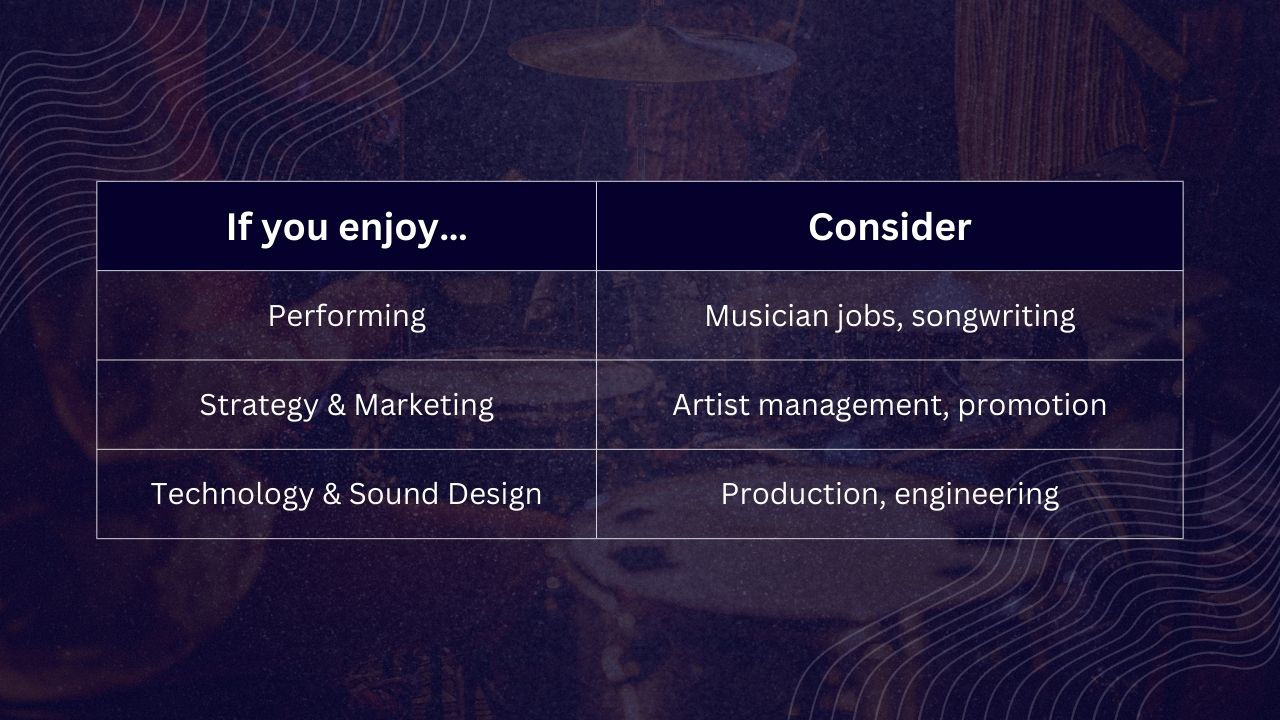
Choosing a direction early helps you focus your efforts and pursue the right jobs in the music industry.
Develop Your Skills
Once you’ve chosen your path, the next step is skill development. To have successful careers in music, people spend years improving their craft.
Here are a few ways to start building skills:
1. Practice consistently
If you’re on the creative side of things, then you need to practise your skills every single to improve your craft. Musicians, singers and instrumentalists should practice daily. Producers should create and finish tracks regularly.
2. Learn industry tools
- DAWs like Ableton or Logic
- Music marketing platforms
- Social media promotion tools
3. Take courses or tutorials
Many professionals often learn and sharpen their skills to build their careers in music through online music courses, YouTube tutorials, workshops and masterclasses. The better your skills become, the easier it will be to secure music industry jobs.
Build a Portfolio & Create an Online Presence
In the music world, your work speaks louder than your resume. Whether you want musician jobs or other music industry jobs, having a strong portfolio is essential.
Build a Portfolio
A portfolio proves your abilities and helps people trust your work.
- Artists: released songs, demos, live performances
- Producers: beat tapes or production samples
- Engineers: before-and-after mixes
Think of it as your professional showcase for jobs in the music industry.
Create an Online Presence
Your online presence helps people discover your work. Focus on social platforms like Instagram, YouTube, TikTok, SoundCloud and Spotify.
Many professionals now work remote music industry jobs purely through online visibility and collaborations.
Portfolio Checklist
A strong portfolio should include:
- 3–5 quality music projects
- Social media profiles
- A simple website or portfolio page
- Contact information
This greatly increases your chances of landing music industry jobs.
Build Connections in the Music Industry
Networking plays a huge role in landing jobs in the music industry. Many opportunities come through relationships rather than job listings.
Where to Network
You can meet industry professionals in many places:
- Live shows and concerts
- Music festivals
- Industry conferences
- Recording studios
- Online communities
Networking often leads to collaborations and even remote music industry jobs.
Collaboration Matters
Working with others is one of the fastest ways to grow. Collaborations are important for building industry relationships, improving your skills, expanding your audience and discovering new careers in music. Many professionals land their music industry jobs through collaborators and mentors.
FAQs
1. Do you need a degree to work in the music industry?
No. Many professionals build successful careers in music without formal degrees. Skills, experience, and networking often matter more.
2. Are there remote music industry jobs?
Yes. Many roles, such as music marketing, production, distribution, and playlist pitching, can become remote music industry jobs.
3. What are the most common music industry jobs?
Some common music industry jobs include artist manager, music marketer, producer, audio engineer, and booking agent.
4. How do beginners find jobs in the music industry?
Start by:
- Building a portfolio
- Networking with artists and professionals
- Applying for internships or freelance work
These steps help open doors to jobs in the music industry.
Conclusion
Breaking into the music world takes time, persistence, and the right strategy. The industry offers a wide range of careers in music, from creative musician jobs to strategic music business jobs and technical roles.
Start by choosing your path, developing your skills, building a strong portfolio, and connecting with others in the industry. With consistency and patience, you can turn your passion for music into real music industry jobs or even flexible remote music industry jobs.
The key is simple: start creating, keep learning, and stay connected.
We at GreaseRelease, have a bunch of curators on our network who are looking for new & exciting music to push on their massive playlists. If you make music and want to reach a wider audience, check out our submission platform and get a chance to reach millions of listeners! Submit your tracks now!
Don't miss my newsletter!
Join me on a music entrepreneurship journey with new tips and tricks delivered straight to your inbox.
We hate SPAM. We will never sell your information, for any reason.