Reverb vs Delay Explained: What’s the Difference (with uses!)
Dec 17, 2025
Ever hovered your mouse over the reverb plugin… then the delay plugin… and wondered, “Which one do I actually need?”
Good news, you're not alone. Reverb and delay are two of the most powerful time-based effects in music production, and knowing when (and how) to use them can transform a flat, dry track into something spacious, emotional, and immersive.
Let’s break them down in a way that makes sense to beginners and inspires veterans to experiment.
- What Is Reverb?
- What Is Delay?
- Reverb vs Delay: What’s the Actual Difference?
- When Should You Use Reverb?
- When Should You Use Delay?
- Should You Use Both Reverb & Delay in a Song?
- Final Thoughts
What Is Reverb?
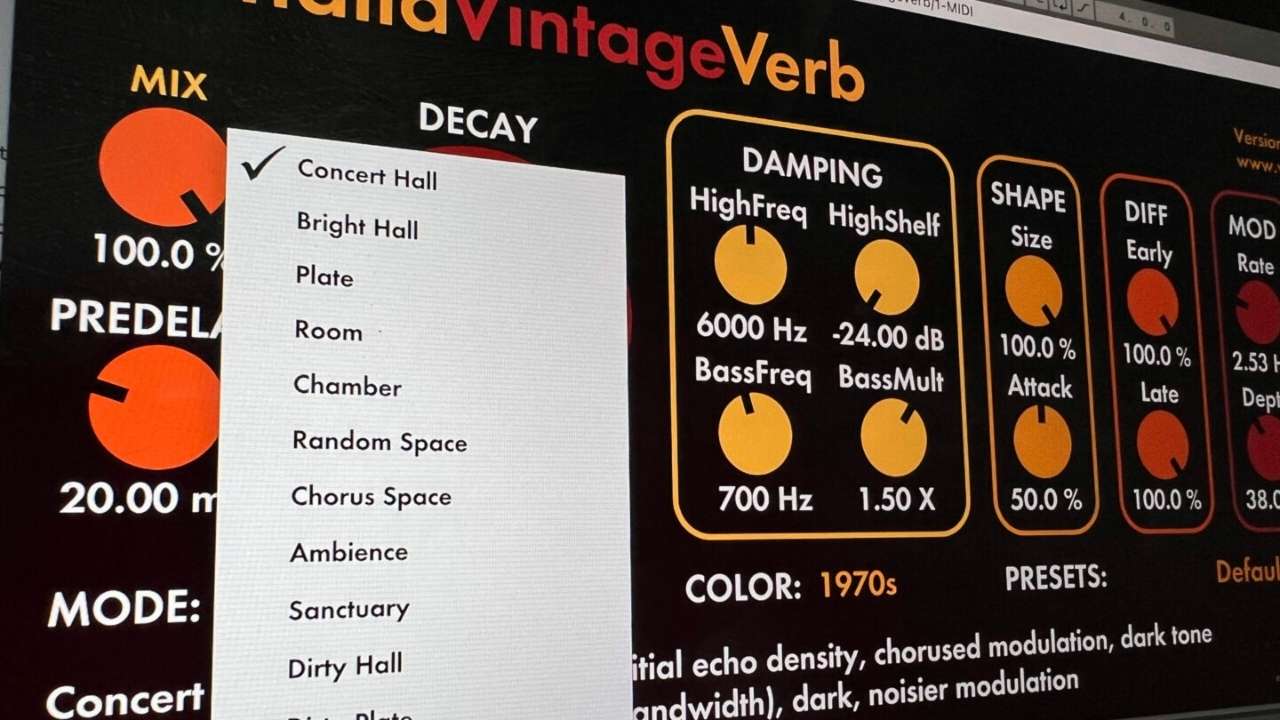
Imagine walking into a giant empty hall, clapping your hands, and listening as the sound blooms and fades around you.
That lingering tail is reverb.
Reverb is created when sound waves bounce off surfaces, walls, floors, ceilings, and blend together into a wash of reflections.
Uses of Reverb In Music Production:
- Add depth and ambience
- Make instruments feel like they belong in a real space
- Enhance sustain
- Glue elements together
Different types of reverb create different moods:
- Room: small, tight, realistic
- Hall: big, lush, cinematic
- Plate: smooth and bright (a vocal favourite)
- Spring: twangy and vintage
- Digital: anything from subtle to cosmic
Understanding simple parameters like decay, pre-delay, size, and damping can help shape how “big” or “close” your sound feels.
Important Parameters of Reverb
- Decay: How long the reverb lingers before fading completely.
- Pre-delay: The gap between the original sound and when the reverb begins.
- Size: How big the simulated space feels, tiny room to massive hall.
- Damping: How quickly high frequencies fade, emulating soft or reflective surfaces.
Think of reverb as atmosphere. Add too much? Your mix turns into fog. Add just enough? You create magic.
What Is Delay?
Now imagine standing at the edge of the Grand Canyon and yelling “HEY!”
And hearing a second later… “hey… hey…”
That distinct echo is delay.
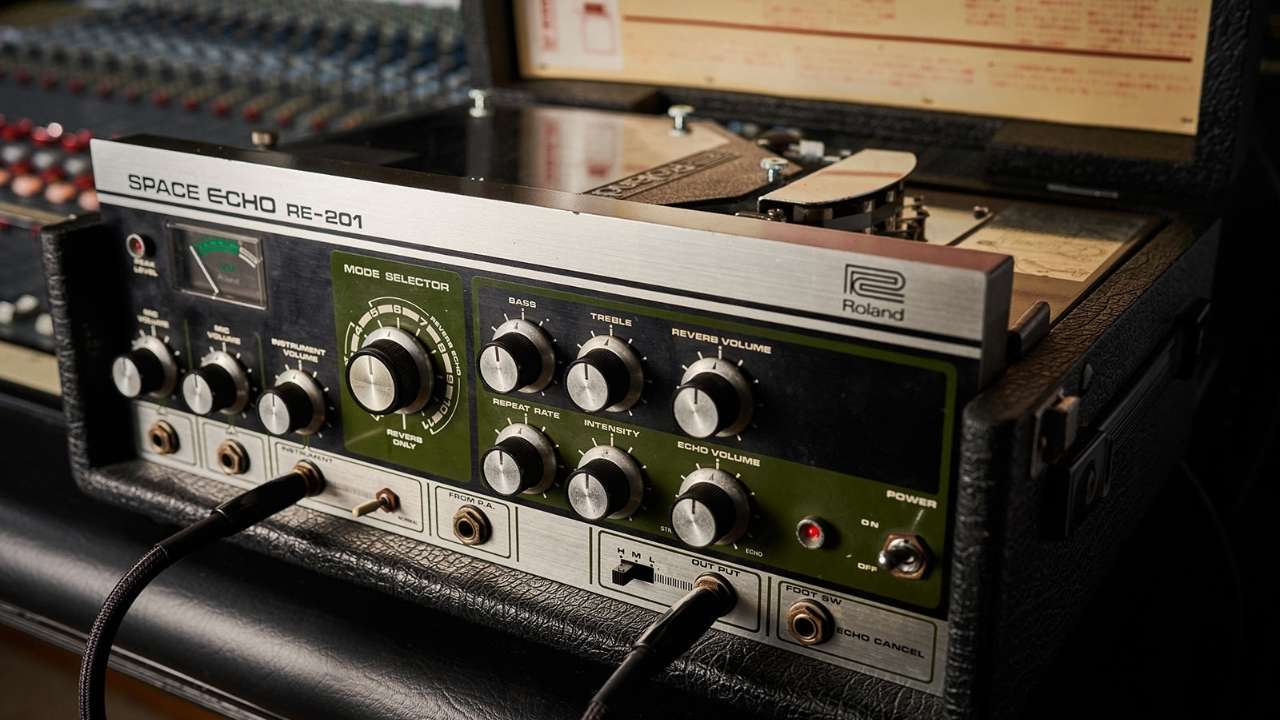
A delay effect duplicates your original sound and plays it back after a set amount of time. Unlike reverb’s smooth wash, delay is precise, rhythmic, and often more noticeable. You control settings like:
- Delay time – the gap between repeats
- Feedback – how many repeats occur
- Mix – how loud the echoes are compared to the original
Delay is perfect for:
- Adding movement
- Thickening thin tracks
- Enhancing transitions
- Creating stereo width
- Building rhythmic patterns (hello, dotted-eighth guitar delays!)
Where reverb paints a space, delay sketches a pattern.
Reverb vs Delay: What’s the Actual Difference?
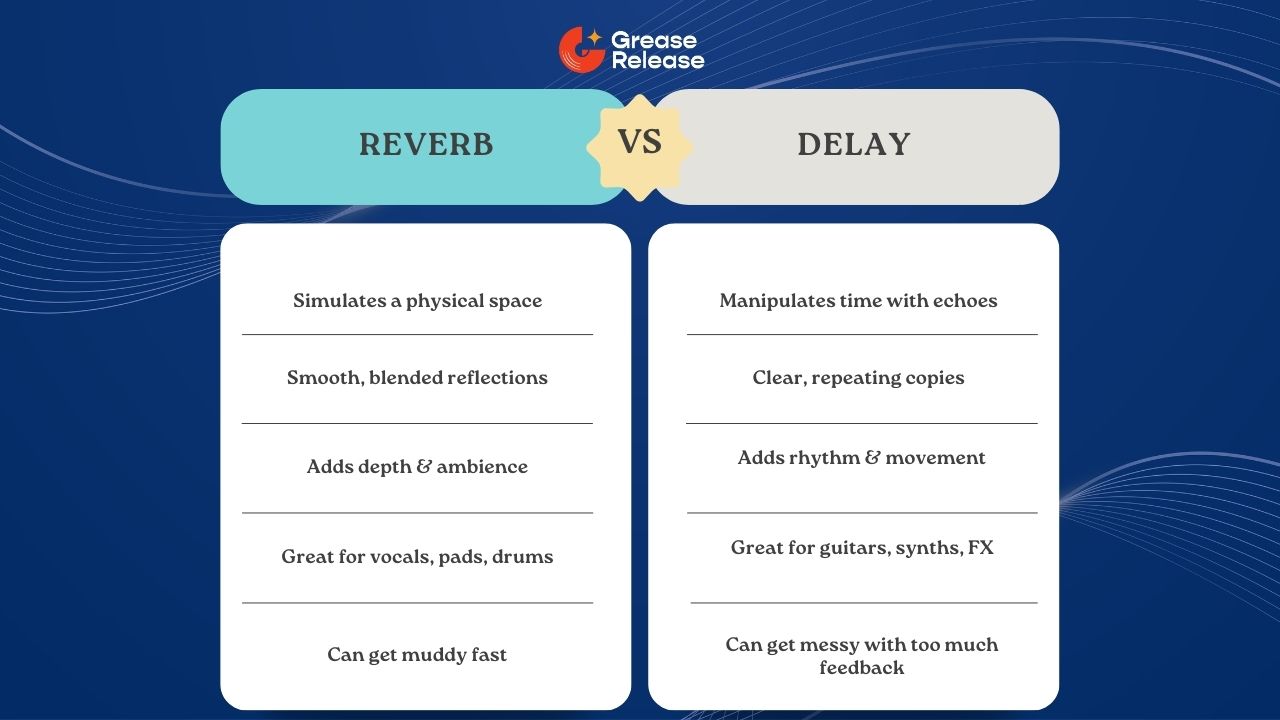
They can sound similar, but they behave very differently.
Reverb = space.
Delay = timing.
When Should You Use Reverb?
Use reverb when you want to:
- Place an instrument “in a room”
- Add lushness to vocals or pads
- Bring cohesion to layers
- Create cinematic or ambient textures
Reverb excels in slower, more open mixes where there's space for decay tails to bloom. In dense or fast arrangements, long reverbs can quickly overwhelm the track.
When Should You Use Delay?
Use delay when reverb makes things muddy or when you want more rhythmic energy:
- Add thickness to vocals without washing them out
- Enhance guitar riffs
- Create percussion grooves
- Build call-and-response FX
- Add excitement without sacrificing clarity
A well-timed delay can create bounce, width, and interest without smearing the mix.
Should You Use Both Reverb & Delay in a Song?
Short answer? Yes — If you do it wisely.
One of the coolest tricks in mixing is combining delay and reverb:
- Put delay first for clean echoes that feel natural inside a space
- Put reverb after delay to soften the echoes
- Use automation to bring them in and out during transitions
- Try short reverb + long delay for clarity with drama
Used tastefully, they can turn a simple part into something emotionally rich.
Final Thoughts
Reverb and delay aren’t rivals; they’re partners. Knowing the difference lets you choose the right tool to tell your musical story. Reverb gives a track life and space; delay gives it character and motion.
Experiment with both, trust your ears, and don’t be afraid to twist knobs until you find that sweet spot where your track comes alive.
We at GreaseRelease, have a bunch of curators on our network who are looking for new & exciting music to push on their massive playlists. If you make music and want to reach a wider audience, check out our submission platform and get a chance to reach millions of listeners! Submit your tracks now!
Don't miss my newsletter!
Join me on a music entrepreneurship journey with new tips and tricks delivered straight to your inbox.
We hate SPAM. We will never sell your information, for any reason.