How to Find a Music Manager in 2026
Dec 05, 2025Finding the right music manager can completely change the direction of your career. A good manager helps you grow your audience, build industry relationships, negotiate deals, and expand your revenue streams. But in 2026, the manager landscape looks very different. New platforms have emerged, AI has reshaped how artists operate, and the way managers discover talent has evolved.
This guide breaks down exactly where artists can find managers in 2026, how to reach out to them, what to ask before saying yes, and how to know if they are the right fit. The goal is to make your search simple, clear, and effective.
- Introduction
- Where to Actually Find a Music Manager in 2026
- Where managers are actually scouting
- How to Reach Out to Potential Managers
- FAQs
- Conclusion
Where to Actually Find a Music Manager in 2026
There is no single place where managers hang out. Instead, you have clusters of platforms, communities, and offline spaces where they actively search for new talent. Below is a breakdown that shows exactly where your chances are strongest.
1. Industry platforms
These are the most direct places where managers are already looking for artists.
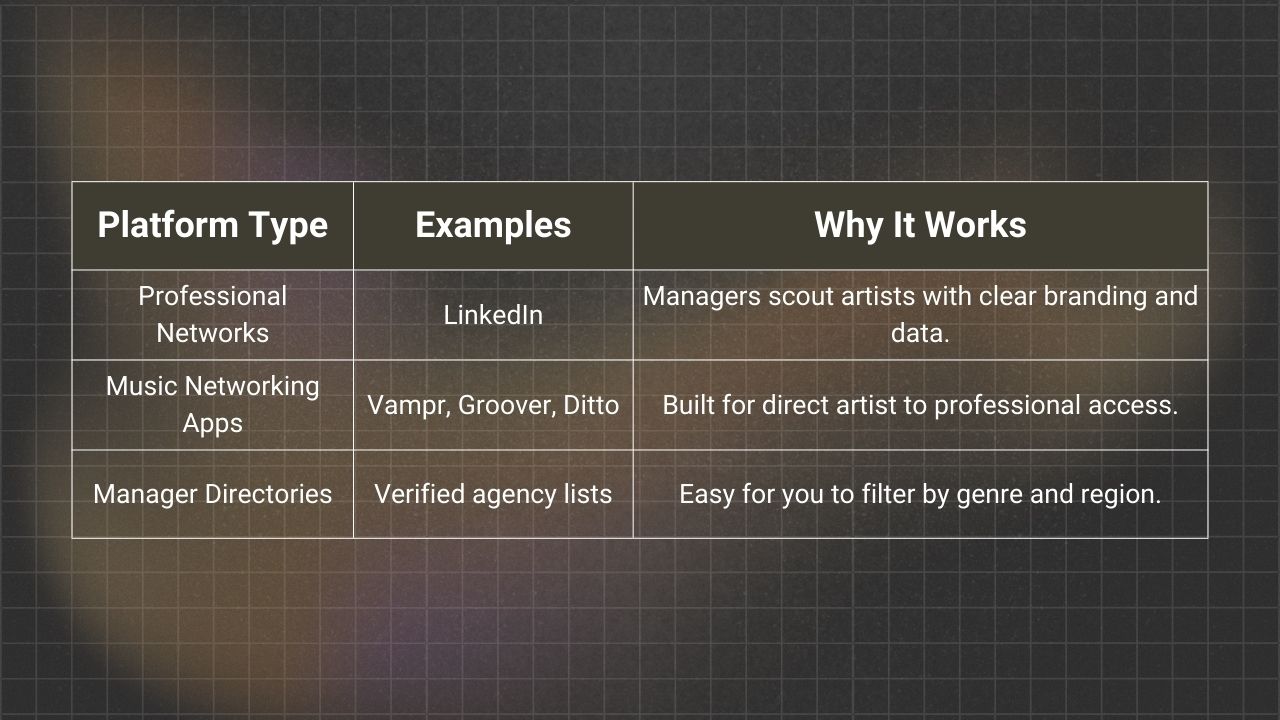
Best use: Keep your profiles updated, clean and professional.
2. Live music ecosystem
Real-world impressions still matter. Managers often attend shows quietly to observe how artists perform and connect with audiences.
Places they search:
- Local venues with active emerging artist nights
- Campus festivals
- Independent artist showcases
- Music conferences and workshops
- Promoter curated events
If you are performing regularly, you naturally increase visibility without even pitching.
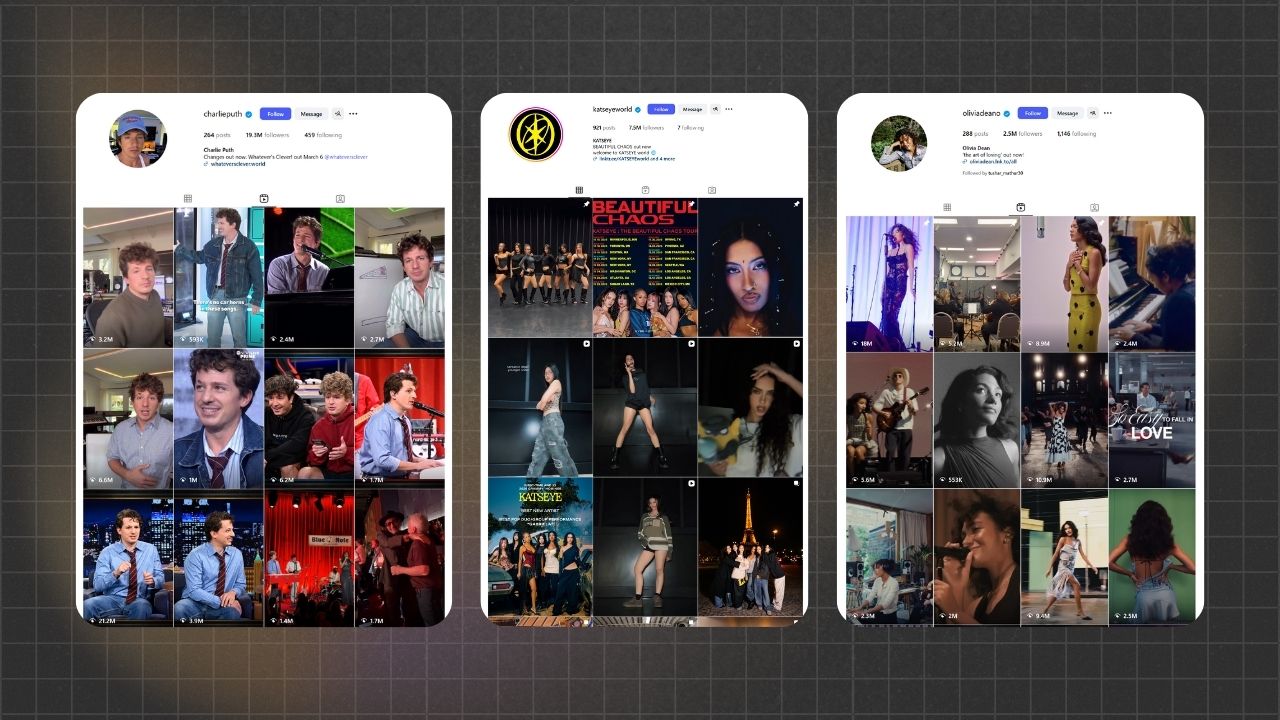
3. Social media
In 2026, music managers track artists the same way A&R teams do. They look for consistency, creativity, and signals of growth.
Platforms they monitor:
- TikTok
- YouTube
What they pay attention to:
- Engagement quality rather than follower count
- Live performance clips
- Music snippets that show potential
- Community building in comments
A simple rule: if you are active, managers can find you before you find them.
4. Artist communities
These communities help you get connected organically.
Popular spaces:
- Discord servers for independent artists
- Reddit communities focused on production and growth
- Indie label groups
- WhatsApp and Telegram networks for local music ecosystems
Managers often enter these spaces to spot rising artists or follow referrals.
5. Direct referrals
People you already work with can be your strongest connectors.
Who can refer you:
- Other artists
- Producers
- Mix or mastering engineers
- Videographers
- Photographers
These professionals know your work ethic and vouch for your potential.
Where managers are actually scouting
Managers rarely wait for pitches. They actively look for signs of momentum.
Common scouting sources:
- Short-form videos that go viral
- Curated emerging artist playlists
- Open mic circuits
- Performance showcases
- Consistent weekly release clips on social media
Signals that attract managers
If you want managers to approach you, these are the biggest proof points.
- Regular releases
- Clear and consistent branding
- Strong fan engagement
- Upward growth in analytics
- Professional communication across platforms
Managers look for artists who are already building something worth managing.
How to Reach Out to Potential Managers
Once you identify managers who could be the right fit, your outreach needs to be simple and structured. Managers receive hundreds of messages every week, so you want to be memorable for the right reasons.
How to identify the right managers
Before reaching out, confirm:
- They manage artists in your genre
- Their roster is not too crowded
- Their past work aligns with your goals
- They have experience in your type of music
A quick scan of their socials or website often tells you everything you need.
Crafting your pitch
Your message should be short, sharp, and easy to skim. Think of your pitch like a media kit in text form.
Include only what matters:
- A short intro with your name, genre, and city
- Your best performing links
- A highlight list such as streaming achievements or recent shows
- What exactly you are looking for in management
Your goal is to make them curious enough to click your links.
What to avoid
These mistakes immediately reduce your chances:
- Long paragraphs
- Links to every song you ever released
- Casual or unprofessional messaging
- Statements that sound needy or desperate
Managers want to see confidence, clarity, and direction.
Follow-up strategy
Once you send your message:
- Wait 7 to 10 days
- Follow up politely
- Share something meaningful like a new release or milestone
Do not spam. Good managers appreciate artists who respect time.
Questions to Ask a Music Manager
If a manager shows interest, it does not mean you should immediately accept. Treat it like hiring someone for a long-term partnership. Ask the right questions so you enter the relationship with clarity.
Contract terms
- What percentage do they take
- What revenue streams are included
- Contract duration
- Exit clause if things do not work out
Never skip written agreements.
Work style
- How often do they communicate
- How involved will they be
- Who else do they manage
- What is their plan for your next 6 to 12 months
Their vision should align with your goals.
FAQs
Do I need a manager early in my career?
Not necessarily. You need traction first. Focus on music, content, and consistency before looking for management.
Will a manager help me get signed?
Managers can help open doors, but signing depends on your momentum and numbers.
How much do managers typically charge?
Most managers take a percentage of revenue. Some offer project-based arrangements in 2026.
Can I change managers later?
Yes. Just make sure your contract includes a clear exit clause.
Conclusion
Finding a music manager in 2026 is easier and harder at the same time. There are more tools, more platforms, and more opportunities than ever. But managers now look for artists who already show commitment, consistency, and potential.
Focus on building your foundation, releasing regularly, and creating content that engages your audience. When you show real momentum, the right manager will take an interest. And when you reach out, your clarity and professionalism will make all the difference.
If you want, I can now format this for your website, turn it into a shorter social media version, or create the schema markup for the blog.
We at GreaseRelease, have a bunch of curators on our network who are looking for new & exciting music to push on their massive playlists. If you make music and want to reach a wider audience, check out our submission platform and get a chance to reach millions of listeners! Submit your tracks now!
Don't miss my newsletter!
Join me on a music entrepreneurship journey with new tips and tricks delivered straight to your inbox.
We hate SPAM. We will never sell your information, for any reason.